The first question: is one drain slow or are several affected?
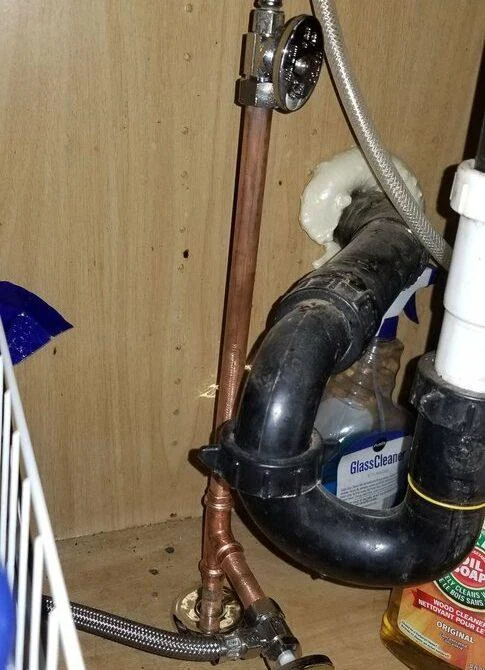
A bathroom sink that slowly empties while the toilet and tub work normally may have a restriction close to the stopper or trap. A kitchen sink can collect food debris and grease over time. This is different from a toilet that makes the shower drain rise or a washing machine that triggers a basement floor-drain backup. Multiple fixtures affected at once can point toward a shared branch or main sewer line, although the symptoms alone cannot establish the location.
Before making a service call, note which fixtures are affected, which ones still work, and whether the problem began suddenly or developed gradually. These details help the plumber select an appropriate starting point. For the underlying causes of repeated obstructions, see our guide to drains that keep clogging.
Seven signs it's time to schedule professional drain cleaning
- A fixture has stopped draining. Standing water or a completely blocked line often needs more than routine surface cleaning.
- The same drain repeatedly clogs. Restoring flow once does not necessarily remove all buildup or address a pipe defect.
- Several fixtures slow down together. Shared drainage problems require a broader assessment than one sink.
- Water appears in another fixture. A toilet flush that causes a tub or shower to fill is a reason to stop testing and call.
- You hear recurring gurgling. The sound may accompany a drainage or venting issue; it is a clue, not a diagnosis.
- There are persistent drain odors with other symptoms. Odors can have several sources, so an assessment is more useful than masking them.
- A previous cleaning did not last. Ask what was cleared, how flow was tested, and whether further inspection is justified.
One symptom may have several possible causes. A responsible recommendation follows an assessment of access, pipe condition, and the pattern of the problem.
When a wastewater backup needs prompt attention
If sewage or dirty wastewater is entering a shower, toilet, or floor drain, stop running water and avoid flushing to test the line again. Running a dishwasher or laundry cycle can make the overflow worse. Keep children and pets away from contaminated water and avoid direct contact. If electrical equipment or outlets are near standing water, keep clear of the area and seek appropriate help rather than entering it.
Tell the plumbing company exactly where the backup is appearing and whether the home has a municipal sewer connection or septic system. A plumbing blockage and a septic-system problem can look similar. Drain clearing does not automatically include wastewater cleanup or restoration. Straight Up Plumbing & Heating can discuss the plumbing assessment and current service availability at (845) 744-6716; we do not promise around-the-clock response.
What can a homeowner safely check first?
For a single slow sink, inspect a readily accessible drain screen or removable stopper according to the fixture instructions. Hair or debris caught at the surface may be removable without opening the piping. Do not reach into a garbage disposal, force a stuck part, or dismantle unfamiliar connections. A plunger may be suitable for some fixture clogs when used as directed, but stop if water begins backing up elsewhere.
Avoid mixing drain-cleaning chemicals or adding a second product after the first has failed. Some products can injure people and create an exposure hazard during mechanical drain service. If you already used a product, keep its name and approximate time of application available for the technician. Never assume that a stronger chemical is a better answer to a recurring blockage.
What a professional drain-cleaning visit may involve
The technician first considers the symptoms and available access. Mechanical cable cleaning may be appropriate for certain obstructions. Hydro jetting can remove suitable buildup with pressurized water, but it depends on pipe condition, access, and the type of restriction. A sewer camera can help document visible buildup, roots, or damage when the line can be inspected. Sometimes cleaning must happen before a camera provides a usable view.
These services are not interchangeable, and cleaning a line does not repair broken piping. Ask what the recommended method is intended to accomplish, what will be checked after the work, and whether a separate sewer-line repair may be necessary if damage is found. Our snaking versus hydro jetting guide explains those methods in more depth. Straight Up discusses the agreed scope and upfront pricing before work proceeds.
How to prepare for the appointment
Clear a safe path to the affected fixture and any known cleanout, but do not move heavy equipment or open a cleanout under pressure yourself. Make a short list of affected fixtures, the last time the drain worked normally, prior service dates, and any drain products used. If you have a sewer inspection video or report, keep it available. Tell the office if wastewater is actively overflowing, if multiple fixtures are involved, or if the property has septic service.
After the visit, ask which line was accessed, how drainage was tested, and what warning signs would justify further inspection. If a recurring problem has no confirmed cause, keep the findings and repair history rather than assuming every new clog is identical.
Drain cleaning near Pine Bush, Wallkill, and Montgomery
Straight Up Plumbing & Heating Inc. is based in Pine Bush and serves homeowners in communities including Wallkill, Montgomery, Walden, Middletown, and Ellenville, subject to scheduling and address availability. We clear suitable fixture and main-line blockages, perform camera inspections, and discuss hydro jetting where appropriate.
For an assessment, visit our professional drain-cleaning service page or contact Straight Up. Describe the problem in your own words—we'll discuss the next step and current appointment availability.
Common questions before calling
Does every slow drain need a plumber immediately?
Not necessarily. An isolated slow fixture may have visible debris at the screen or stopper, but worsening flow, recurring clogs, or other affected fixtures warrant assessment.
Is a gurgling sink proof of a sewer blockage?
No. Gurgling can occur with a restriction or venting issue. The pattern across fixtures matters more than one sound.
Will a sewer camera remove the clog?
No. It is an inspection tool. Cleaning and repair are separate actions chosen after assessment.
Can I keep using other plumbing when the main sewer backs up?
Stop adding water when wastewater is backing up. Other fixtures and appliances may share the blocked line and worsen the overflow.
Sources & further reading
General homeowner information. Follow the instructions for your specific equipment; a symptom alone is not a diagnosis.