First, rule out an immediate safety problem
If you smell gas, see smoke, or a carbon monoxide alarm sounds, leave the building and call emergency services or the gas utility from outside. Do not troubleshoot the boiler in those conditions. Keep clear of hot pipes, exposed wiring, and leaking equipment.
For an ordinary no-heat problem without those warning signs, keep your checks limited to normal homeowner controls. Do not open combustion equipment, bypass a safety switch, or repeatedly press a burner reset button. Repeated resets can make an underlying fault more dangerous, especially with oil equipment.
Check the thermostat and describe the symptoms
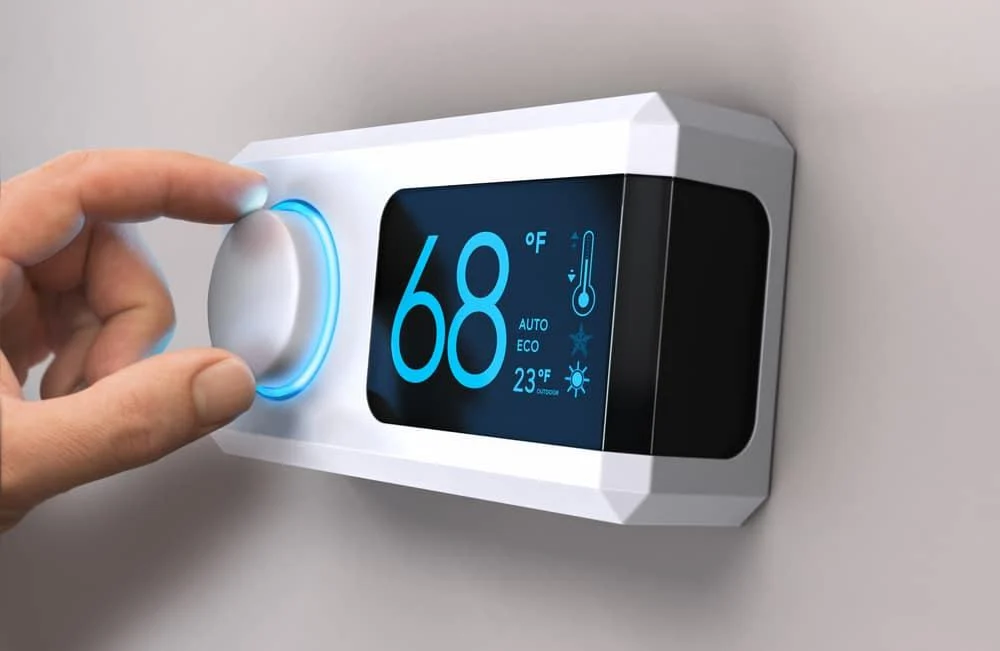
Confirm that the thermostat is set to heat and that its target temperature is above the room temperature. Check the schedule or hold setting, and replace thermostat batteries if its instructions call for them. A thermostat can display normally while a programmed setback prevents the heat call you expect.
Note whether the boiler actually fires or whether you are hearing a pump or another component. Record any displayed error code before changing settings. For a multi-zone house, compare rooms served by different thermostats. Tell the technician whether domestic hot water still works and whether the problem began after a power interruption or recent service.
One cold zone versus no heat anywhere
If other zones heat normally, the problem may be associated with the cold zone's thermostat, zone valve, circulator, wiring, or water flow. Air in a hydronic loop can also interfere with circulation. Furniture or covers blocking baseboard airflow may make a room heat poorly even when hot water is circulating.
If every zone is cold, the technician may need to investigate the heat source, shared controls, circulation, fuel supply, or system pressure. A warm boiler jacket does not show that water is moving through the house. Do not add water or adjust pressure based on a generic number online: the appropriate conditions depend on the system and building.
What a service visit should establish
A useful diagnosis follows the call for heat from the thermostat through the controls and into the distribution system. Depending on the symptoms, a technician may check zone operation, circulator performance, temperature changes, pressure, and safety controls. Combustion and venting work requires suitable instruments and procedures.
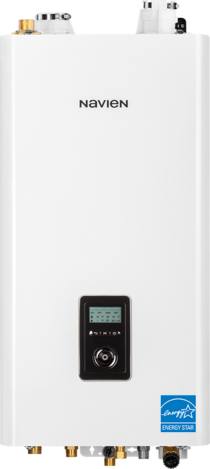
For a wall-hung condensing unit, the model and error history are helpful. Keep the model information available without removing covers. Our Navien boiler page explains our NSS service specialty. A specific error code should be evaluated with the correct manufacturer's manual, rather than treated as a diagnosis by itself.
How to reduce repeat heating problems
Schedule maintenance appropriate to the boiler and fuel type, keep access clear, and notice changes in noise, leaks, or room temperature. Maintenance cannot prevent every breakdown, but it gives a technician an opportunity to identify developing issues.
If the home is losing heat in freezing weather, arrange prompt help and mention any vulnerable household members or plumbing exposed to cold. Use only heating equipment intended for indoor use; never use an oven or outdoor fuel-burning device to heat the home. See our boiler repair service for Pine Bush and surrounding communities.
Hydronic heat is not the same as a furnace
This guide focuses on boilers that circulate hot water through baseboard, radiators, or other emitters. A furnace heats air and distributes it through ducts. Steam boilers have their own controls and operating requirements; advice about purging a hot-water loop should not be applied to a steam system. Knowing which system you have helps you describe the problem accurately when you call.
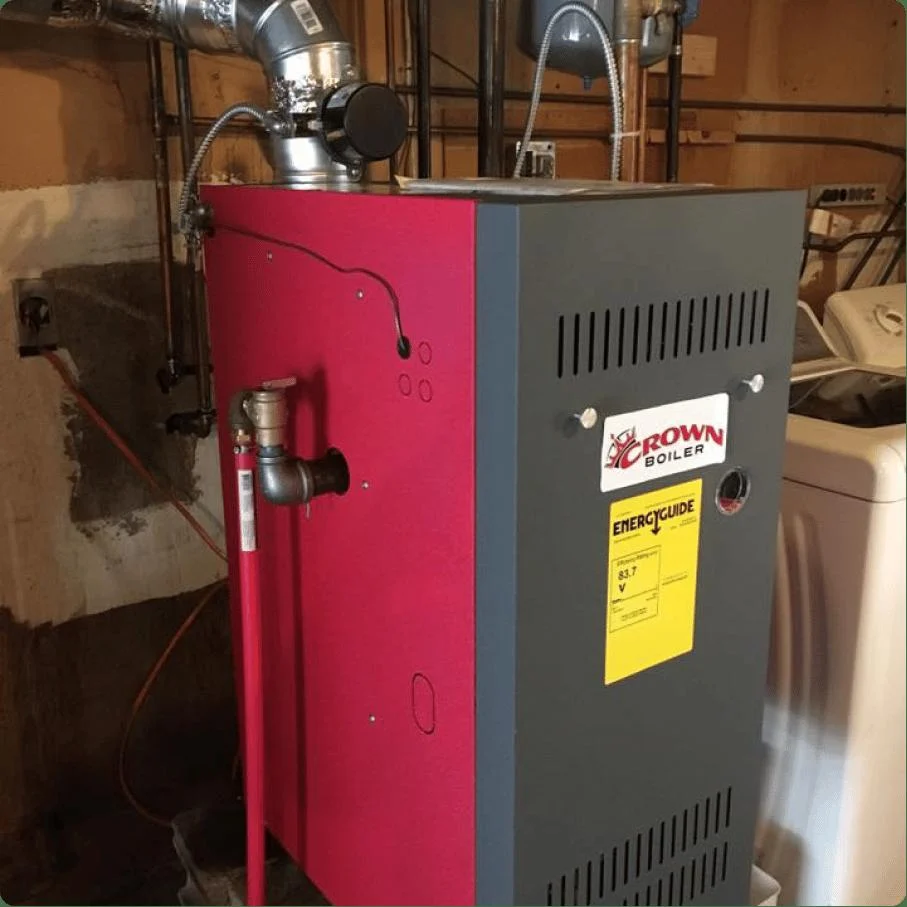
Even among hot-water systems, one home may use several circulators while another uses a shared pump and zone valves. Similar symptoms can therefore require different tests. Photos of the equipment label and visible controls can be useful if you can take them from a safe position without removing panels.
When the boiler heats water but the rooms stay cold
Domestic hot water and space heating can use different controls or operating modes. An indirect water heater may have a separate zone, and some systems temporarily give hot-water production priority. A brief pause in space heating during a normal hot-water call is different from rooms remaining cold for hours.
Tell the technician whether the boiler responds to a thermostat change, whether the display changes, and how long the cold condition lasts. Do not try to force a zone valve open or bridge thermostat wires. Those actions can obscure the original fault or defeat the intended control sequence. A diagnosis should distinguish normal operating behavior from a failed component before parts are replaced.
A useful no-heat call checklist
Have the fuel type, boiler model, approximate age if known, and last service date ready. Explain whether the house is completely cold, one floor is cold, or a single room is lagging. Mention recent thermostat replacements, electrical outages, leaks, or work on the system. These details help the service company prepare, but they are not a substitute for testing.
For a problem involving a burner that repeatedly stops, use our oil burner shutdown guide. If a diagnosis leads to a major repair decision, the repair versus replacement guide explains the factors to compare. Neither a single cold zone nor the boiler's age alone establishes that replacement is necessary.
Common questions
Should I bleed the system myself?
Different systems use different venting and purging procedures. Opening the wrong fitting can release hot water or upset pressure. Leave unfamiliar hydronic-system work to a technician.
Does no heat mean I need a new boiler?
No. A control or distribution fault may be repairable. Replacement decisions should follow diagnosis and consideration of condition, repair cost, and the home's needs.
Why does hot water work while my baseboard stays cold?
Hot-water production can use a separate zone or control sequence. The symptom helps narrow testing but does not identify a particular failed part.
Should I turn the thermostat much higher?
Confirm a normal call for heat, then note the response. Raising the setting repeatedly will not correct a circulation or burner fault.
Sources & further reading
General homeowner information. Follow the instructions for your specific equipment; a symptom alone is not a diagnosis.