Begin with a diagnosis, not the boiler's birthday
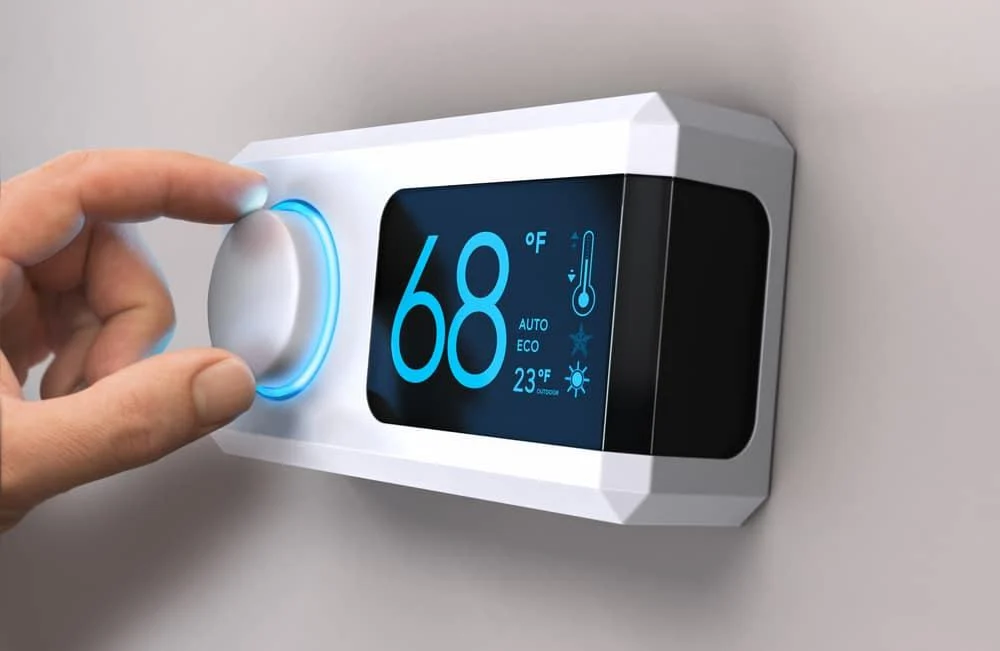
A heating failure may be caused by a thermostat, zone control, circulator, sensor, or another component rather than the boiler's main heat exchanger. Replacing the boiler without understanding the symptom can leave a distribution problem unresolved. Ask what failed, how the technician confirmed it, and whether that finding explains the problem throughout the house.
Age provides context, but it is not a complete condition assessment. Service history, water quality, installation, operating conditions, and the availability of parts also matter. A well-supported repair on one older system may be sensible while the same expenditure on a deteriorating system is not. Request the reason behind the recommendation rather than relying on a universal age cutoff.
Safety and physical condition come first
Any condition that makes continued operation unsafe must be addressed before comparing convenience or energy savings. If you smell gas, see smoke, or a carbon monoxide alarm activates, leave the building and contact emergency services or the utility from outside. A repair-versus-replacement discussion is not a reason to continue operating unsafe equipment.
A technician may identify a repairable control fault, a leak at a separate fitting, or deterioration in a major boiler component. Those findings have very different implications. Ask which component is affected and whether repair restores safe, reliable operation. A leaking relief valve, for example, should not be treated as proof that the boiler body is leaking; the cause needs investigation.
Evaluate the complete repair proposal
A useful repair estimate identifies the diagnosed component, the work involved, relevant warranty terms, and any additional conditions discovered during inspection. Ask whether the repair is expected to resolve the current symptom fully or whether further diagnostic work may be required. No contractor can guarantee that unrelated parts will never fail later.
Review recent repairs as a pattern rather than adding every past maintenance visit to a failure total. Routine cleaning is not the same as repeated breakdowns. If several major components have failed, ask whether they share an underlying cause, such as unsuitable water conditions or control problems. Addressing that cause matters whether the existing boiler is repaired or replaced.
Replacement is a system project
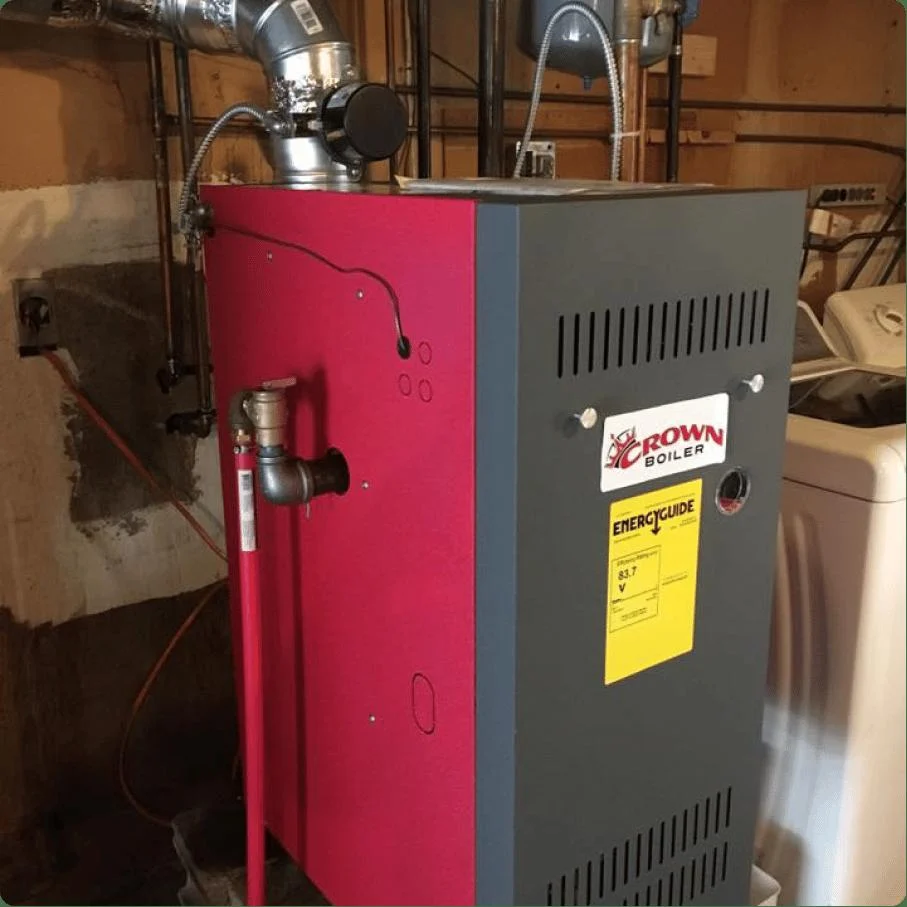
A replacement proposal should account for the home's heating load, existing emitters, zoning, venting, combustion air, electrical requirements, fuel supply, and any domestic hot-water connection. The replacement's capacity should be justified rather than automatically copied from the old nameplate. Building changes since the original installation can affect the load.
High-efficiency condensing equipment also needs an installation that suits its operating requirements. A boiler's published efficiency does not mean every home will achieve identical fuel savings. Return-water temperatures, controls, system design, and household use influence performance. The Building America guidance discusses boiler replacement as an opportunity to improve the complete heating system, not merely exchange one box for another.
Compare cost, comfort, and disruption honestly
Look at the full installed replacement scope alongside the proposed repair, not the equipment price alone. Clarify removal, piping changes, venting work, controls, commissioning, permits where required, and restoration items. Ask what is excluded. A proposal with a higher total may cover work that another proposal leaves to a separate contractor.
Consider how long you expect to remain in the home, the consequences of another outage, and whether the existing system meets comfort and hot-water needs. Predicted savings should use stated assumptions rather than a promised percentage without a calculation. Incentives and financing terms can change, so verify any program or offer before using it in your decision.
Prepare a short decision worksheet
Write down the diagnosed fault, repair scope, boiler condition, maintenance history, unresolved comfort problems, and replacement scope. Then ask which option best addresses those facts. ENERGY STAR identifies rising bills, frequent repairs, and comfort problems as reasons to assess equipment and system performance; none alone proves that replacement is mandatory.
For Pine Bush and nearby Hudson Valley homeowners, our boiler repair service can establish the immediate problem, while our boiler installation page explains the replacement service path. If one zone is cold while others work, first read our boiler no-heat guide. Keep the decision grounded in the actual system.
Ask what happens after the work
Whether you choose repair or replacement, ask how operation will be checked before the technician leaves. Discuss normal controls, recommended maintenance, and whom to contact if the original symptom returns. Keep the written scope and equipment information. A clear handoff helps you recognize normal operation and report a future change precisely.
Frequently asked questions
Is there a repair-cost percentage that always means replace?
No single percentage accounts for safety, condition, part availability, installation scope, and household needs. A rule of thumb can start a conversation, but it should not replace an assessment.
Will a new boiler fix every cold room?
Not necessarily. Distribution, zoning, thermostat placement, building heat loss, or emitter issues may remain. Include persistent room-temperature problems in the project discussion.
Can I reuse my baseboards or radiators?
Often existing distribution can be evaluated for reuse, but compatibility and condition must be checked. Reuse should be part of the design rather than an assumption made before inspection.
Does replacement always lower my bill immediately?
Actual costs depend on weather, fuel prices, use, installation, and equipment performance. Compare realistic operating assumptions and avoid treating a rated efficiency as a guaranteed bill reduction.
Sources & further reading
- Building America Solution Center: Gas-fired boilers
- NYSERDA: Replacing equipment with efficiency in mind
General homeowner information. Follow the instructions for your specific equipment; a symptom alone is not a diagnosis.