Normal cycling or a shutdown problem?
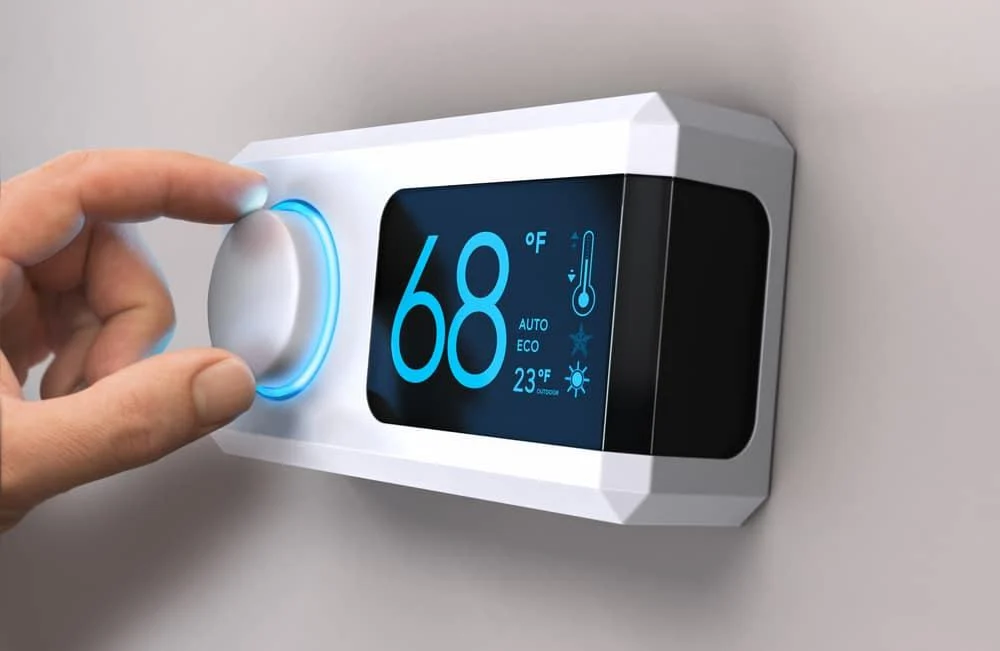
A burner normally switches off when the heating demand is satisfied or a temperature control ends the firing cycle. That is different from a house getting colder while the burner will not restart. Before calling, compare the room temperature with the thermostat setting and note whether an unfamiliar light or message is showing.
A boiler can also stop firing temporarily while heat continues to circulate. Hearing a pump does not prove the burner is operating. Conversely, a silent burner does not prove the entire system has lost power. Describe what you observe without removing covers or touching hot equipment. The sequence of events often helps more than a guess about which part failed.
What lockout tells you—and what it does not
The primary control supervises burner operation. Depending on the control and circumstances, an unsuccessful start or loss of a proven flame can cause it to stop the burner. Indicator lights and reset procedures are not identical across equipment generations. The boiler brand, burner model, and control model may all be different.
A lockout identifies a failed operating sequence, not necessarily a failed control. Replacing the box with the blinking light may leave the actual cause unresolved. Do not bypass a safety, hold a reset button, or repeatedly restart the burner. If there is smoke, a strong unusual fuel odor, a bang, or a carbon monoxide alarm, leave the area and seek emergency help from outside rather than continuing checks.
Several systems can produce the same symptom
An interruption in oil delivery can keep the burner from establishing or maintaining its flame. An empty tank is one possibility, but fuel-line restrictions, air entering the supply, or burner components may also require investigation. A tank gauge is useful information, not a complete fuel-system test.
Ignition components and flame detection can produce a similar stop-start complaint. Electrical supply or operating controls may also interrupt operation. A technician needs to distinguish the condition that caused the stop from the safety response that followed it. This is why a phone description alone usually cannot establish a reliable repair price or justify ordering a specific replacement part.
Safe information to collect before the visit
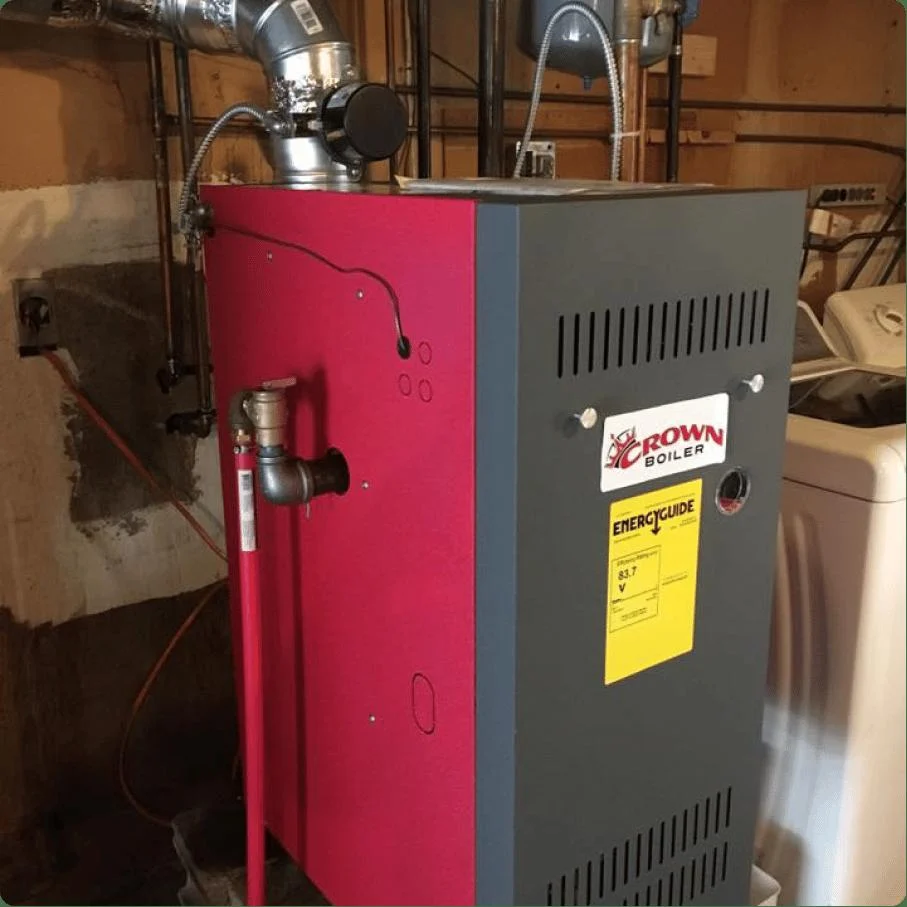
Record the thermostat setting, indoor temperature, and approximate time the heat stopped. From a safe location, photograph the front of the boiler and the displayed light or message. Note the oil gauge reading, last delivery date, and whether the tank recently ran out. Tell the technician about recent maintenance, power interruptions, unusual noise, or visible leakage.
If the boiler also makes domestic hot water, mention whether hot water is affected. Do not deliberately create repeated heating demands to reproduce the fault. Do not open a burner, loosen an oil fitting, or test wiring. Keep the area accessible and keep household items clear of the equipment. If anyone has already pressed reset, report how many times and what happened afterward.
Why the problem may seem intermittent
Some faults appear only after equipment warms up, during particular operating conditions, or at a certain point in a heating cycle. A system that runs when the technician arrives can still have a real problem. A short symptom log helps identify those patterns: date, approximate time, weather conditions, thermostat demand, and the displayed indication.
Do not assume that an intermittent issue is harmless because the heat eventually returns. Equally, do not assume it requires replacing the boiler. The value of an assessment is establishing what the evidence supports. Ask what testing was performed, what cause was identified, and whether any remaining uncertainty requires follow-up observation.
What to expect from a professional assessment
Depending on the symptoms, service may involve evaluating the fuel supply, ignition and flame-sensing operation, controls, venting, and combustion. Those checks call for the correct equipment instructions, instruments, and safe procedures. A repair should be followed by appropriate operating and safety verification rather than simply confirming that the burner lights once.
Ask for the findings in plain language. Was the burner failing to start, losing flame, or stopping because a normal operating control was satisfied? Which condition was corrected? If additional work is recommended, distinguish an immediate repair from preventive maintenance or a future replacement option. That separation makes the recommendation easier to assess.
Plan for reliable heat in the Hudson Valley
Arrange routine maintenance according to the appliance and burner instructions, and address changes before a cold spell makes loss of heat more disruptive. Keep fuel deliveries and service records together. Annual professional attention is a common oil-heating maintenance baseline, but symptoms should be assessed when they occur rather than saved for the next appointment.
For homes in Pine Bush and nearby Orange, Ulster, and Sullivan County communities, see our boiler repair service and heating services. When requesting help, say if the home has no heat, is losing temperature quickly, or has household members particularly affected by the cold. Never use an oven or outdoor fuel-burning device to warm the house.
Frequently asked questions
Can I just press reset again?
Repeated resetting does not correct the underlying fault and can create a dangerous condition. Stop attempting restarts and request qualified service for recurring lockout.
Does lockout mean the oil tank is empty?
No. Fuel level is one clue, but ignition, flame sensing, supply problems, and other conditions can produce a shutdown. A gauge reading alone does not settle the diagnosis.
Should I book cleaning or repair?
Report that the burner is shutting down. A scheduled maintenance visit and an active no-heat diagnosis have different purposes; the service provider needs to know the actual symptom.
Does an old burner automatically need replacement?
No. Condition, the diagnosed fault, parts availability, and the surrounding boiler installation matter. Age is part of the discussion, not a diagnosis on its own.
Sources & further reading
General homeowner information. Follow the instructions for your specific equipment; a symptom alone is not a diagnosis.