Is there no hot water, or no water from the hot tap?
These descriptions sound similar but point in different directions. Water flowing normally but remaining cold suggests a heating or mixing problem. Very little water coming from the hot side suggests a flow restriction or supply issue that also needs investigation. If both hot and cold water have stopped, the water supply itself may be involved. A home with a well may need the pump and pressure system checked before anyone focuses on the water heater.
Compare fixtures during normal use without putting your hands in potentially scalding water. A single cold shower while the kitchen receives hot water can indicate a fixture mixing problem. Do not assume a whole-house equipment replacement is needed from that symptom alone.
Handle safety concerns before troubleshooting
Leave the building if you smell gas, see smoke, or hear a carbon monoxide alarm, and contact emergency services or the gas utility from outside. Do not continue investigating or operate electrical switches in a suspected gas-leak area. A wet floor near electrical equipment also calls for keeping clear rather than opening panels.
Water heaters combine hot water, pressure, and an energy source. Keep homeowner checks to normal operating controls and visible observations. Do not remove electrical covers, bypass safety controls, adjust gas valves, or repeatedly reset a tripping system. Never cap a relief-valve discharge pipe. A warning or shutdown is useful information for diagnosis, not simply an obstacle to clear.
What changes with the kind of water heater?
An electric storage heater depends on the electrical supply, controls, and heating elements. A fault in that chain can prevent heating even though the tank looks normal from outside. A visible display does not prove all heating components are working. Electrical measurements and component replacement belong to a qualified technician.
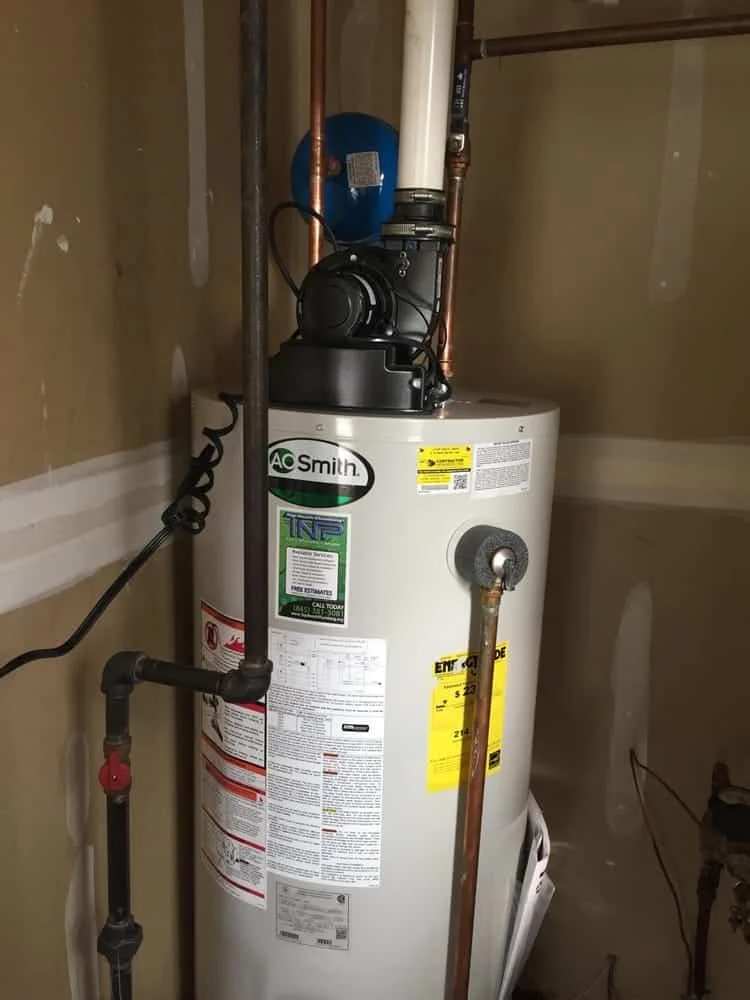
A gas storage heater needs an appropriate fuel supply and a functioning ignition or pilot system, along with safe combustion and venting. The exact controls differ between models. Use the model-specific manual for ordinary operation, and leave ignition, combustion, and venting diagnosis to a professional.
A tankless heater heats water when demand is detected. A display code, ignition fault, or problem sensing flow can interrupt delivery. Photograph the message and model information without removing the cover. For an indirect tank heated by a boiler, the tank's call for heat, boiler operation, and circulation all matter. Tell the technician whether space heating still works.
Useful checks that do not require opening equipment
Look at the operating display and record whether it is blank, shows an error, or indicates vacation mode. Review settings only through normal controls described in your manual. Note a recent outage, utility interruption, plumbing repair, or unusual household demand. If a breaker appears tripped, report that; repeatedly resetting a breaker without finding the cause is not a repair.
A storage heater that was exhausted by several showers may need recovery time. That differs from a system that remains cold through an ordinary quiet period. Our guide to hot water running out too quickly addresses limited supply and recovery. Avoid raising the thermostat to compensate for a sudden loss of performance: that can increase scald risk without correcting the fault.
What to collect before you call
A concise description can help the service visit start in the right place. Write down which fixtures are affected, whether water flow is normal, when the problem began, and whether the heater has produced any hot water since then. Include the model, serial number, and an accessible photograph of the installation. Do not move equipment or reach across hot piping to obtain a label.
Mention a leak, burning smell, unusual noise, or error code when scheduling. If you rent or share a building's hot-water system, notify the property manager rather than changing shared controls. Homeowners in Pine Bush and nearby Orange, Ulster, and Sullivan County communities can request water heater diagnosis and repair.
A diagnosis should come before a replacement decision
Ask the technician to explain the failed component or operating condition and how it was confirmed. A damaged control, a fixture crossover, and a leaking storage tank call for different responses. Age can influence the decision, but it does not identify the fault by itself. Warranty terms, overall condition, repair cost, and household needs also matter.
If replacement is appropriate, compare the complete installed scope, including fuel or electrical requirements, venting where applicable, access, and commissioning. Changing from tank to tankless is not just swapping containers. Our water heater installation information describes the service path; a site assessment establishes which equipment fits your home.
Frequently asked questions
Should I press the reset button?
Do not repeatedly reset a unit or open a cover to reach a control. A safety trip needs an explanation. Follow the model's homeowner instructions and request service if the cause is unclear or the fault returns.
Why is only one shower cold?
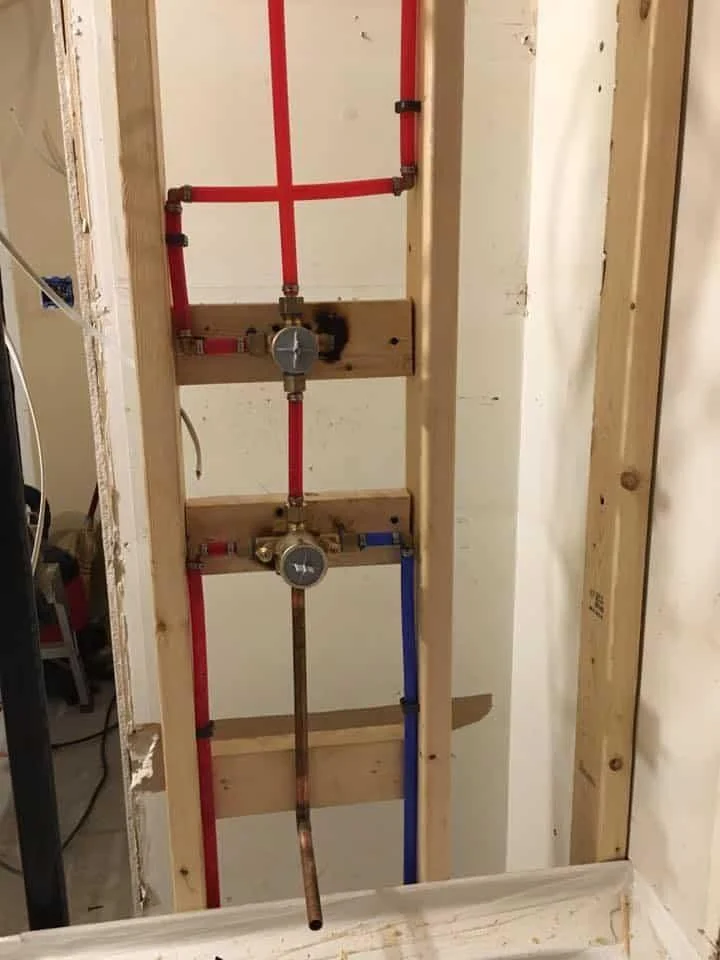
A shower valve or mixing issue may be involved when other fixtures still receive hot water. Tell the technician that the problem is isolated; it helps distinguish fixture work from heater work.
Will flushing restore completely lost hot water?
Not necessarily. Flushing does not fix every electrical, ignition, control, or mixing fault. Maintenance should follow the equipment's instructions and condition, after the actual problem is identified.
Can I tell which part failed from the error code?
A code narrows the diagnostic process but does not always identify one failed part. The full model and operating circumstances are needed before interpreting it.
Sources & further reading
- A. O. Smith: Water Heater Not Working
- Bosch: Electric Water Heater FAQs
- A. O. Smith: Technical Bulletins
General homeowner information. Follow the instructions for your specific equipment; a symptom alone is not a diagnosis.