Compare one fixture with the rest of the house
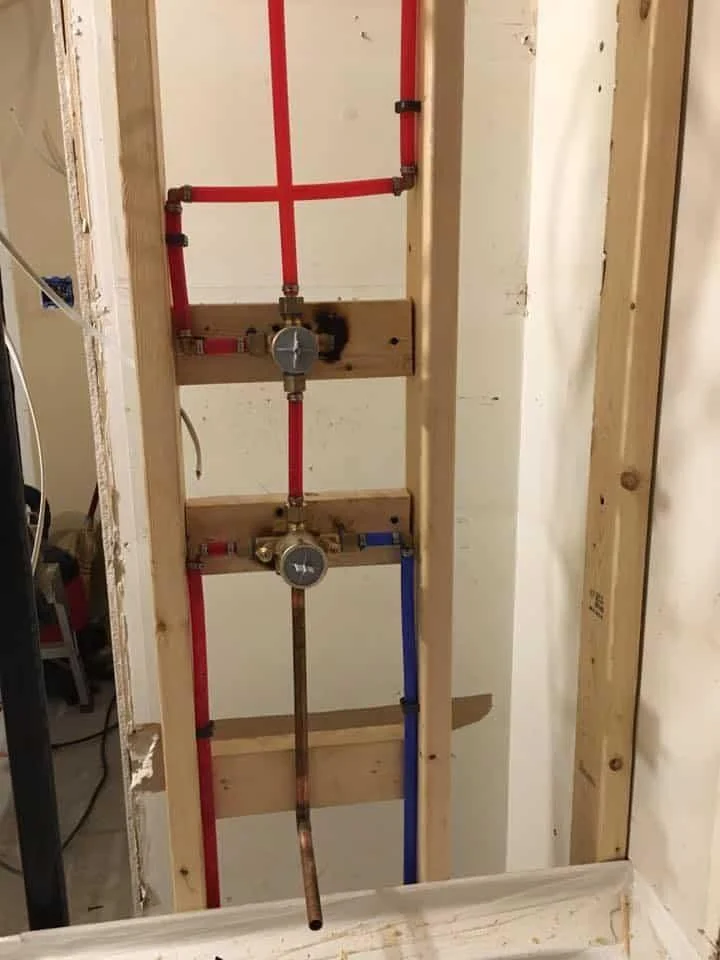
If only one shower turns cool while other fixtures still receive hot water, the shower's mixing valve or cartridge may need attention. If every hot-water fixture has the same problem, the water heater or a shared mixing component becomes more likely. Avoid assuming that the whole heater needs replacement based on one shower.
Observe the pattern during normal use without deliberately running hot water where someone could be scalded. Note how long hot water lasts, whether it recovers after a break, and whether the dishwasher or washing machine is running at the same time. Share those details when requesting service.
Tank capacity and recovery are different
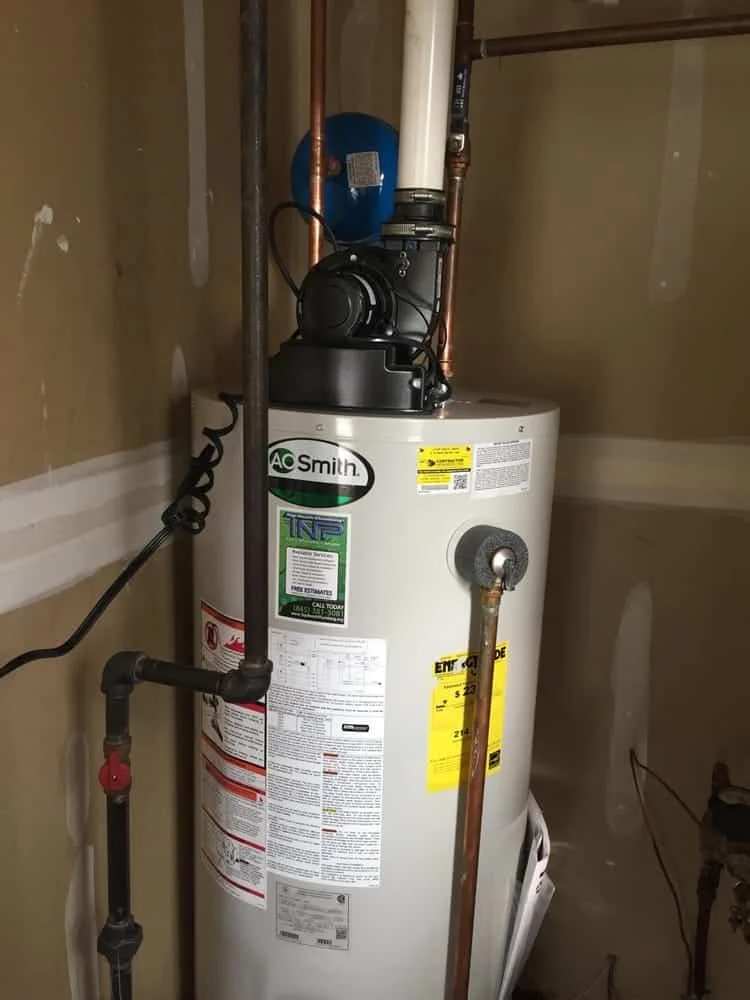
A storage tank holds a limited amount of hot water. As it is used, cold water enters and the heater needs time to restore the supply. Several consecutive showers can exceed what a working heater can provide. Recovery depends on the equipment and its heating input, not just the number of gallons printed on the tank.
If the problem began when household use changed, demand may be part of the explanation. If the same routine suddenly produces much less hot water, investigate a fault rather than immediately buying a larger tank. Replacement sizing should consider peak use and equipment performance, not tank volume alone.
Possible equipment problems
An electric tank may produce less usable hot water when an element or thermostat fails. Other tank-related possibilities include a damaged dip tube or problems with a mixing valve. Sediment and scale can affect operation, but a short shower alone does not prove buildup is the cause.
With tankless equipment, available hot-water flow depends partly on the temperature rise required. Several fixtures running together can exceed the unit's output. A sudden loss of temperature may also involve a flow, control, scale, or ignition issue. Record error messages and the model number; the correct troubleshooting steps vary by equipment.
Safe checks before the service call
Check whether the issue coincides with several hot-water uses. Look for a visible leak from a safe distance and record displayed warnings. Keep water away from electrical equipment and do not remove access panels, test live components, adjust gas controls, or attempt unfamiliar flushing procedures.
Do not simply turn up the water temperature to compensate. Higher temperatures can increase scald risk and may hide the actual problem. Follow the manufacturer's operating instructions and have temperature or mixing-valve concerns assessed. Never cap a relief-valve discharge line. If you smell gas or a carbon monoxide alarm sounds, leave and contact emergency services or the utility from outside.
Repair or replacement: what should guide the choice?
A repairable component problem is different from a leaking storage tank. Have the technician identify the source of a leak before concluding the tank itself has failed. Discuss equipment condition, warranty status, the diagnosed fault, repair options, and whether the system meets household demand.
For a replacement, consider fuel availability, installation space, venting or electrical requirements, and expected usage. Our water heater repair service and water heater installation page explain the available service paths for Pine Bush and nearby communities. You can also read the Department of Energy's water-heating guide for general equipment and efficiency background.
Use the first-hour rating when comparing storage heaters
Tank capacity tells you how much water the tank holds; first-hour delivery is intended to describe how much hot water a fully heated storage heater can supply over an hour under its rating conditions. Two tanks of similar size can have different heating inputs and recovery performance. A product label is a comparison tool, not a promise about an unlimited series of showers in your home.
When discussing a replacement, describe the busiest hour: showers, tubs, laundry, and dishwashing. Include changes you expect, such as another bathroom or more people living at home. The goal is to match the equipment and installation to actual demand rather than assume the largest available tank is automatically the best choice.
Why winter may change the experience
Colder incoming water requires more heating to reach the same delivery temperature. That can matter when a tankless unit is serving several fixtures, and it also influences the work a storage heater must do to recover after use. A seasonal change does not rule out a fault, especially if the decline is abrupt or accompanied by errors.
Compare similar use patterns before drawing a conclusion. A shower that turns cool after several other showers tells a different story from one that turns cool immediately after the tank has had hours to recover. If the water never becomes hot anywhere, read our no-hot-water troubleshooting guide instead.
Prepare a useful hot-water service history
Record which fixtures are affected, whether the first draw is hot, and whether the supply improves after a period without use. Note any change in the sound of the heater, a visible leak, or a new display message. Do not repeatedly restart equipment to see whether the symptom disappears. If the heater has been serviced recently, have the paperwork available.
Ask the technician to explain whether the proposed work addresses heat production, delivery temperature, storage, or mixing. These are different parts of the system. A successful repair should be checked against the original complaint, not just whether the unit turns on. Our water heater warning-sign guide can help you distinguish a performance issue from a condition that needs prompt attention.
Common questions
Will flushing always restore hot water?
No. Flushing does not repair a failed heating element, damaged part, or mixing-valve fault. Maintenance should follow the manufacturer's procedure and the equipment's condition.
Does tankless mean unlimited hot water at every faucet?
No. A tankless unit can heat continuously, but it still has a maximum output at the required temperature rise. Simultaneous demand matters.
Can a shower valve cause the problem?
Yes. A fixture mixing problem can affect one shower while other fixtures still receive hot water. Compare the pattern before blaming the heater.
Will a larger tank fix every short-supply complaint?
No. An equipment fault or unintended mixing should be diagnosed first. If demand truly exceeds capacity, sizing becomes part of the replacement discussion.
Sources & further reading
- U.S. Department of Energy: Water Heating
- ENERGY STAR: Water Heater Product Criteria and First-Hour Rating
- Navien: Tankless Water Heater Sizing Guide
General homeowner information. Follow the instructions for your specific equipment; a symptom alone is not a diagnosis.