Start with the change you can describe
Write down whether the color appeared suddenly or has gradually become more noticeable. Note recent heavy rain, flooding, well repairs, pump work, or an interruption in water supply. These events do not establish a cause on their own, but they help a professional decide what to inspect and which tests to request.
Observe whether the discoloration affects hot water, cold water, or both, and whether it is present at every fixture. A single affected faucet can point toward a local issue, while whole-house discoloration deserves a broader investigation. Avoid running large amounts of water simply to see whether the problem disappears; that may not address the source and can complicate observations.
Iron is one possibility, not the only answer
Iron can occur in groundwater or enter water through corrosion of iron-containing components. Some forms may be dissolved when water first leaves the tap and become more visible after exposure to air. Other forms are already particles. That distinction matters because a screen that captures particles will not necessarily remove dissolved material.
Brown water can also contain sediment, and other substances can contribute to yellow, brown, or dark discoloration. A stain or a photograph is not a laboratory result. Do not assume every property in the Hudson Valley has the same water chemistry. Two nearby wells can behave differently, so a neighbor's treatment system is not a reliable specification for yours.
What about orange slime or deposits?
Slime and staining may lead a professional to investigate iron bacteria as well as mineral content. Iron bacteria and disease-causing contamination are different concerns. Identifying one does not prove the other is absent. Deposits can also affect equipment operation, making it useful to inspect the well system and plumbing rather than focusing only on the water's appearance.
Do not pour a guessed amount of disinfectant into the well. Appropriate treatment depends on the system and circumstances, and chemical handling can damage equipment or create exposure risks. A well professional can assess the source, recommend a suitable process, and coordinate follow-up testing where needed.
Treat an unexplained change as a testing issue
If contamination is suspected, use bottled water or another known safe source for drinking and food preparation while obtaining guidance from the local health department. That is especially important after flooding or a sudden change associated with well damage. Boiling is not a universal solution: it does not remove chemical contamination.
Use a state-certified laboratory and follow its sampling instructions. Ask about tests appropriate to the color change and local circumstances, not only a basic sales demonstration for hardness. Iron, manganese, and related chemistry may help with treatment design; bacterial and other health-related testing answer separate questions. The laboratory or health department can explain the sample containers, handling, and timing.
A useful inspection separates the source from the symptom
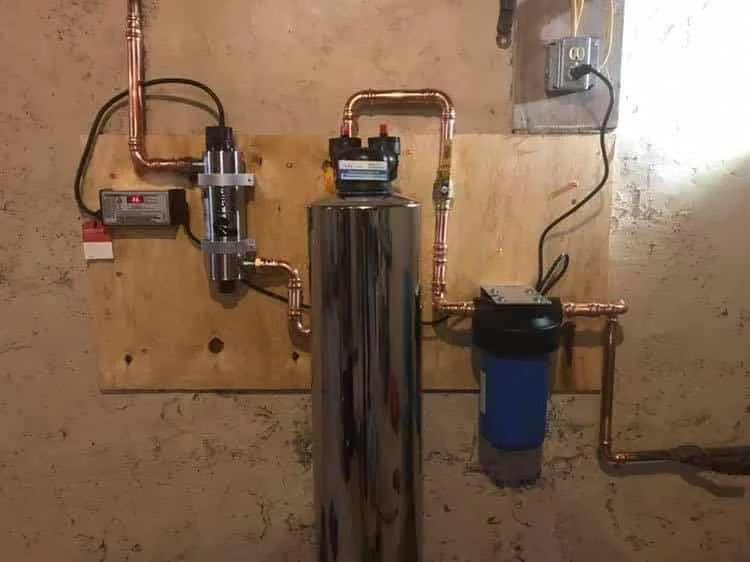
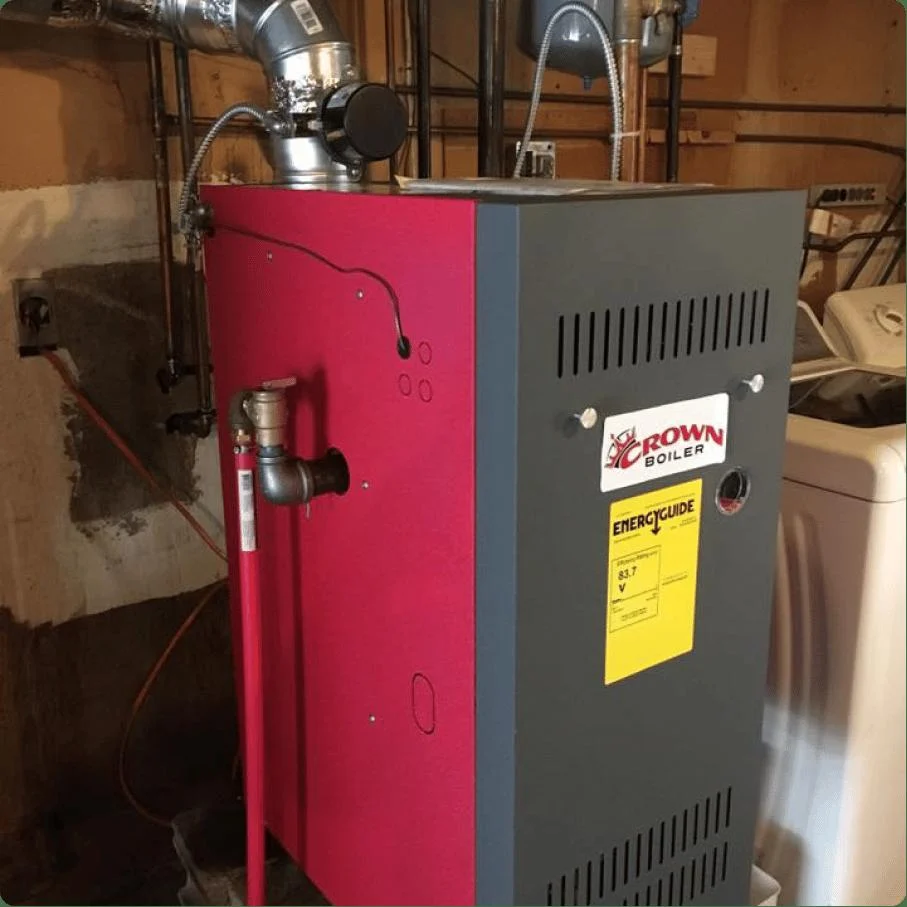
Bring the professional a recent water report, information about the well, and photographs of existing treatment equipment. Ask whether samples should be taken before and after treatment. That comparison can help determine whether a device is performing as expected or whether the untreated supply has changed.
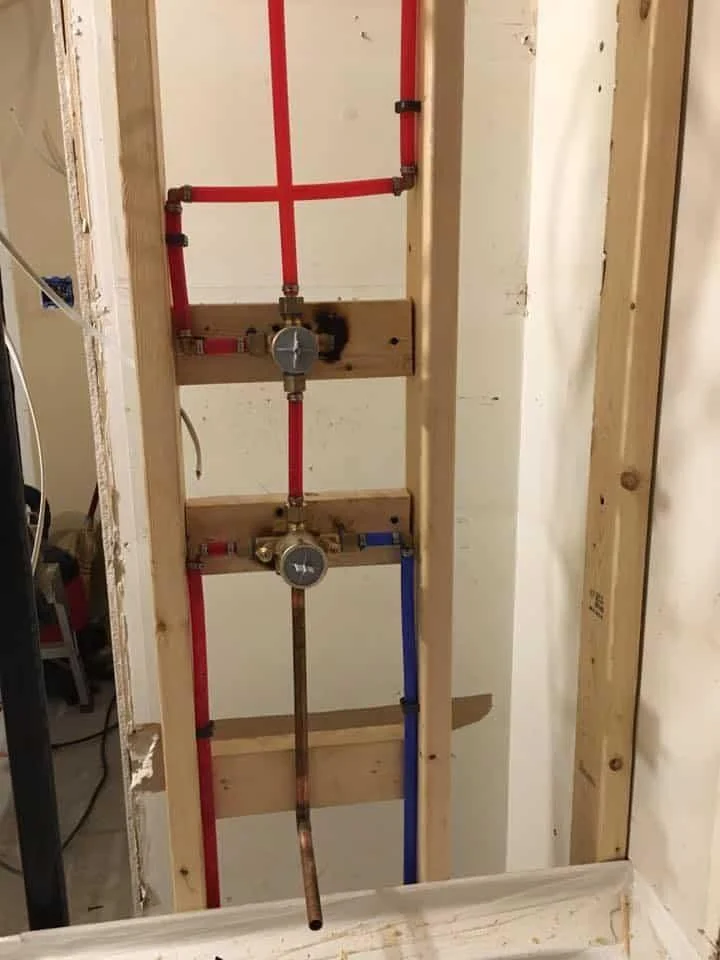
A system assessment may also consider well integrity, pump operation, accumulated deposits, and conditions in the plumbing. A plugged cartridge can affect flow, but replacing cartridges repeatedly may only manage a symptom. Likewise, installing an iron filter does not repair a damaged well component. The recommended work should explain which finding it addresses and how success will be checked.
Choose treatment after the problem is identified
Different forms of iron, sediment, and organic color require different approaches. Equipment must also suit household flow, water chemistry, available space, and maintenance requirements. Ask for a written explanation of what each proposed stage removes and what it does not remove. A whole-house filter is not automatically a complete drinking-water safety system.
For persistent staining, our guide to removing iron from well water explains the questions behind equipment selection. Straight Up offers water treatment services and well pump and pressure tank service for Pine Bush and nearby communities. The appropriate service depends on the findings, rather than the color alone.
Keep a record after the water clears
Clearing visually is useful to note, but it is not confirmation that every problem has been resolved. Follow the testing and return-to-use instructions given by your health department or qualified professional. Keep the original laboratory report, treatment settings, service dates, and follow-up results together.
Record when filters need replacement and whether discoloration returns after certain events. This gives future service visits a history instead of a single snapshot. Private-well owners remain responsible for monitoring their supply; a treatment installation does not remove the need for periodic testing or attention to new changes.
Frequently asked questions
Is brown well water always unsafe?
Color alone cannot answer that. Some causes are primarily aesthetic, but harmful contamination may occur with or without visible color. Testing and the circumstances determine the response.
Can I just install a sediment filter?
It may help with particles if correctly selected, but it will not address every dissolved substance or repair a well problem. Identify the material and source first.
Why did the water change after rain?
The timing is important to report, especially if the well area flooded. It does not establish a specific cause. Ask about inspection and testing rather than assuming it is harmless stirred-up sediment.
Can I drink it once it looks clear?
Not based on appearance alone. If contamination was suspected, follow professional guidance and appropriate test results before returning to normal use.
Sources & further reading
- CDC: Guidelines for Testing Well Water
- CDC: Guidelines for Treating Well Water
- Minnesota Department of Health: Iron in Well Water
- Minnesota Department of Health: Iron Bacteria
General homeowner information. Follow the instructions for your specific equipment; a symptom alone is not a diagnosis.