Separate a fixture problem from a whole-house problem
If the bathroom faucet is weak but nearby fixtures behave normally, the restriction may be at that faucet rather than at the well. A clogged aerator or fixture component can reduce delivered water. If only hot water is affected, the investigation should include hot-water equipment and piping. These distinctions can prevent an unnecessary assumption that the underground pump has failed.
Compare normal use in several locations and note when the change occurs. Do not run multiple fixtures for an extended test when the well may be struggling. Record whether the pressure is always weak, drops only during simultaneous use, or starts normally and fades after several minutes.
Pressure and available flow tell different stories
Pressure describes the force available in the system; flow describes how much water is being delivered. A faucet can have acceptable pressure when closed yet deliver poorly through a restriction when opened. Similarly, a system can provide a brief strong stream from stored water before demand exceeds its ongoing supply.
A visible gauge can provide useful observations, but one reading is not a diagnosis. If the gauge is safely accessible, photograph it during ordinary use and tell the technician whether it changes quickly or slowly. Do not remove electrical covers, adjust a pressure switch, or try to raise settings to compensate. A setting change can exceed equipment limits without solving the original problem.
Filters and treatment equipment can restrict delivery
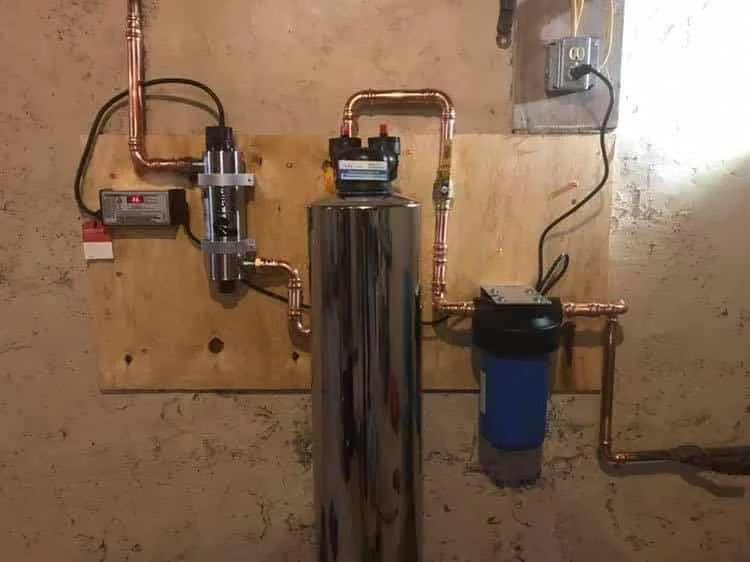
An overdue sediment cartridge, a blocked component, or a treatment system that is not functioning correctly may limit flow downstream. This is especially worth mentioning if pressure changed after a filter replacement or maintenance visit. Note the equipment type, the last service date, and any visible alerts.
Do not bypass treatment equipment indiscriminately. Some systems address health-related contaminants, and a bypass may deliver untreated water throughout the house. Follow the specific equipment instructions and consult the service provider about an appropriate diagnostic comparison. Brown water, particles, or an unusual odor should be reported separately from the pressure complaint.
The pressure tank and pump need to work together
The pressure tank provides a buffer between pump operation and household demand. If that buffering function is impaired, the pump may start and stop much more frequently than normal. Rapid cycling is a reason to arrange service, not proof that a particular part needs replacement. A technician should evaluate the tank, controls, and system behavior together.
Different homes use different controls, including conventional pressure switches or variable-speed equipment. A generic online adjustment does not account for those differences. Checking tank precharge properly involves specific conditions and procedures, so pressing a tank valve or adding air to a live system is not a reliable homeowner diagnosis. Share noises and operating patterns instead.
Leaks, pump performance, and well yield
A leak can consume water before it reaches the fixtures. A pump problem can reduce delivery, while a well that cannot supply demand may produce intermittent or declining flow. The Goulds service material describes several distinct causes of inadequate pump delivery; matching the symptom to the installation is essential.
Tell the technician about recent drought conditions, landscaping irrigation, added appliances, electrical interruptions, or work near buried piping. None proves the cause, but each can guide testing. If the pump appears to run continuously without delivering water, reduce demand and contact a qualified provider promptly. Follow any existing dry-run or fault instructions for the equipment rather than repeatedly restarting it.
What to collect before requesting help
Gather the pump or control model if it is visible, pressure-tank information, filter records, and any available well log. Photograph accessible equipment labels without opening covers. Describe which fixtures are affected and whether the problem is intermittent. If the system changed recently, explain what was changed and when the symptoms began.
Ask the service provider to distinguish a fixture restriction, treatment restriction, tank fault, control issue, pump limitation, or well-supply problem before recommending major equipment. That sequence helps keep the repair tied to evidence. Our well pump and pressure tank service supports Pine Bush-area homeowners with well-system symptoms. If water quality has also changed, explore water treatment after appropriate testing.
When to treat the change as urgent
A complete loss of household water, an electrical burning smell, visible equipment damage, or a pump that behaves abnormally deserves prompt attention. Keep clear of electrical components and tell the service provider about these conditions when booking. An appointment request should describe urgency accurately without implying that a particular repair has already been diagnosed.
Frequently asked questions
Will a larger pressure tank increase well yield?
No. It can change usable storage between pump cycles, but it does not make the well replenish faster. Storage, pump performance, and well yield are related but different considerations.
Should I turn up the pressure switch?
Not as a first response. Higher settings may strain equipment or conceal the actual restriction. Have the system requirements and cause of the problem assessed first.
Does a rapid clicking sound mean the switch is bad?
It can reflect repeated cycling caused elsewhere in the system. A technician should investigate the complete operating pattern rather than replacing a switch based only on sound.
Can clear well water still need testing?
Yes. Appearance does not establish drinking-water safety. Pressure troubleshooting does not replace routine well-water testing or investigation of a sudden quality change.
Sources & further reading
General homeowner information. Follow the instructions for your specific equipment; a symptom alone is not a diagnosis.