Walk through vulnerable areas before the cold arrives
Look for water lines in unheated garages, crawlspaces, exterior-wall cabinets, and basement locations near drafts. A room thermostat may read comfortably while a pipe behind a cabinet is much colder. Areas where plumbing enters the house and places with a past freezing problem should be part of the inspection.
Do not assume that every pipe is exposed in the same way. An insulated line in a drafty cavity may still be vulnerable during a long cold spell. Ask a plumber or appropriate building professional to assess repeated freezing rather than treating each winter incident as an isolated inconvenience. Work on insulation and air leakage is easier to plan before an urgent freeze.
Prepare outdoor fixtures and exposed piping
Disconnect garden hoses and follow the outdoor faucet manufacturer's winterizing instructions. A frost-resistant faucet still depends on correct installation and drainage; leaving a hose attached can interfere with that protection. Where an interior shutoff and drain arrangement exists, use the procedure appropriate to that assembly rather than guessing which valve serves it.
Have exposed pipes insulated with materials suited to their location. Insulation slows heat loss; it does not generate heat. Where approved heat-trace equipment is appropriate, product selection, installation, and electrical protection must follow its instructions. Do not wrap pipes with improvised heating devices or cover equipment in ways that create a fire risk.
Keep heat reaching the plumbing during a cold snap
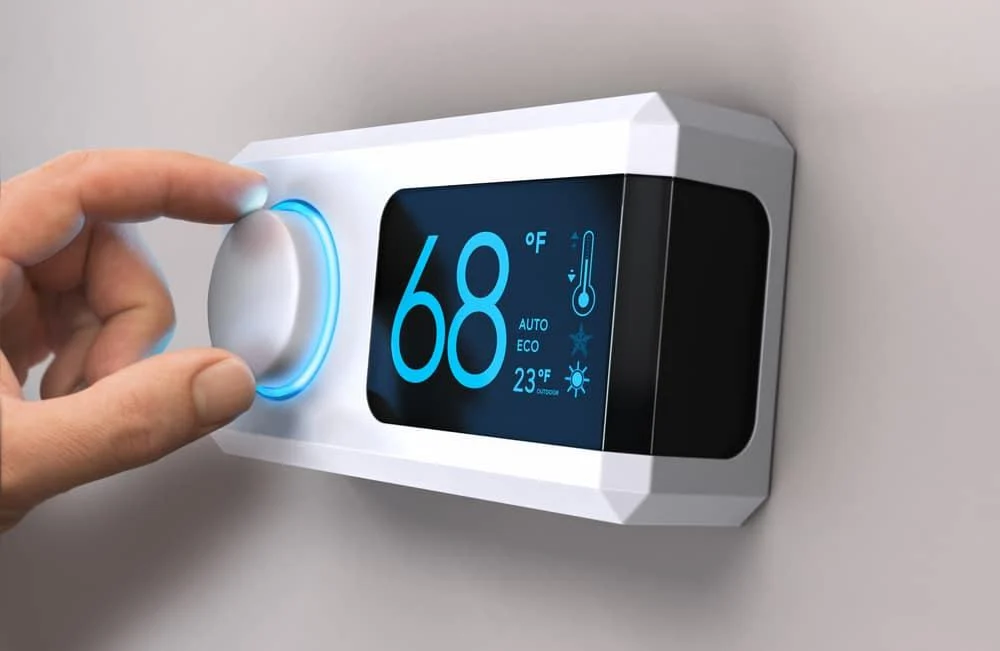
Maintain reliable indoor heat and avoid a large overnight setback during severe cold. Opening a sink cabinet can allow room air to reach pipes near an exterior wall; first move cleaning products out of children's reach. Keep garage doors closed when plumbing is located inside and address obvious cold-air entry points without obstructing required ventilation.
The Red Cross recommends leaving heat on when away and gives 55°F as a minimum setting. That is not a guarantee for every house: isolated pipe spaces can be colder than the thermostat location. A home with known vulnerable plumbing may need a more specific plan. A small drip at an appropriate faucet may help during extreme conditions, but it is a temporary precaution, not a substitute for correcting exposure.
Plan for travel and a loss of heat
Before winter travel, identify who can check the house and how you will learn about a heating failure. A temperature alert can help, but internet service, power, and device batteries may also fail. Keep the main water-shutoff location accessible and ensure a responsible adult knows where it is.
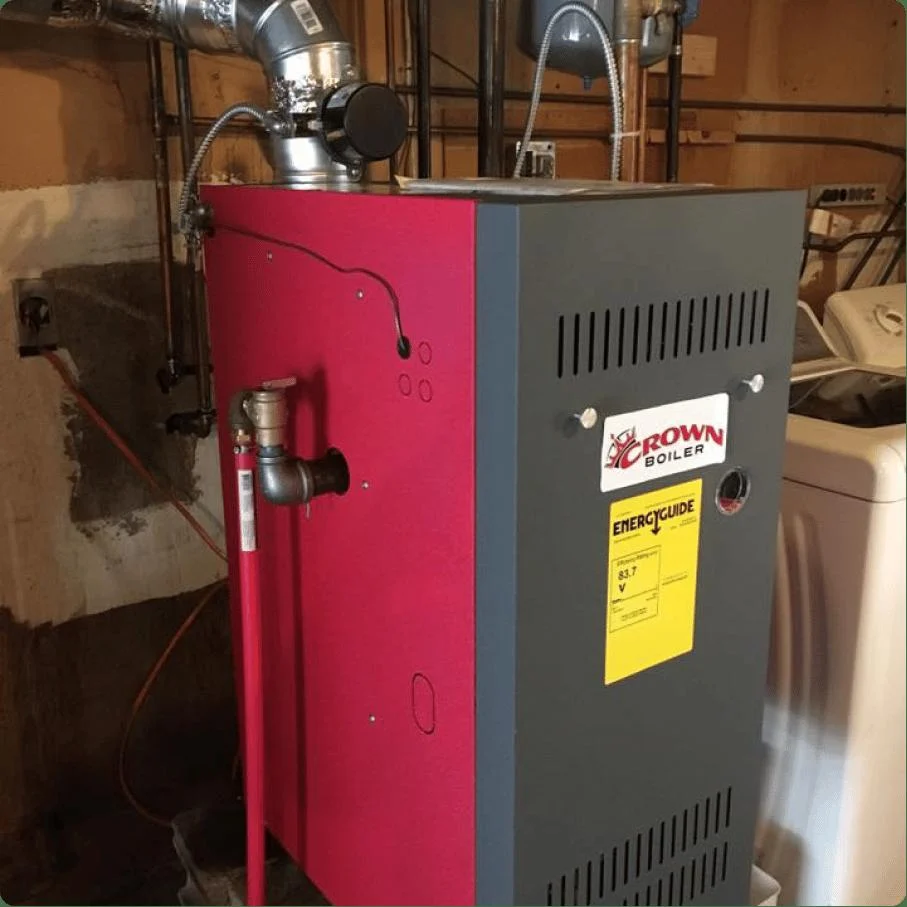
Extended vacancies may call for professional winterization. Closing a supply valve alone does not empty trapped water from all fixtures, appliances, and piping. Hydronic heating systems require their own procedures, and domestic plumbing should not be filled with an unsuitable antifreeze product. Discuss the entire building, including the heating system and water supply, before deciding how to leave it unattended.
Recognize a possible freeze without creating another hazard
A faucet that suddenly produces little or no water during freezing weather may indicate a frozen line, particularly if nearby fixtures still work. It can also have another cause. Do not use a torch, open flame, or improvised electrical device to thaw plumbing. Never apply electrical heat where water could contact the device or its power connection.
If you cannot identify the frozen section safely, suspect a split pipe, or the plumbing is concealed, call for help. If a pipe bursts, close the main water supply when you can safely reach the valve. Stay out of standing water near electrical equipment. A leak beside a panel, outlet, or appliance is an electrical-safety issue as well as a plumbing repair.
Check again when temperatures rise
A frozen section can conceal a split until water begins flowing again. After a cold spell, inspect accessible areas for dripping, damp materials, unusual water sounds, or a loss of pressure. The National Weather Service specifically advises checking pipes after extreme cold. Do not assume the problem has ended simply because the faucet runs.
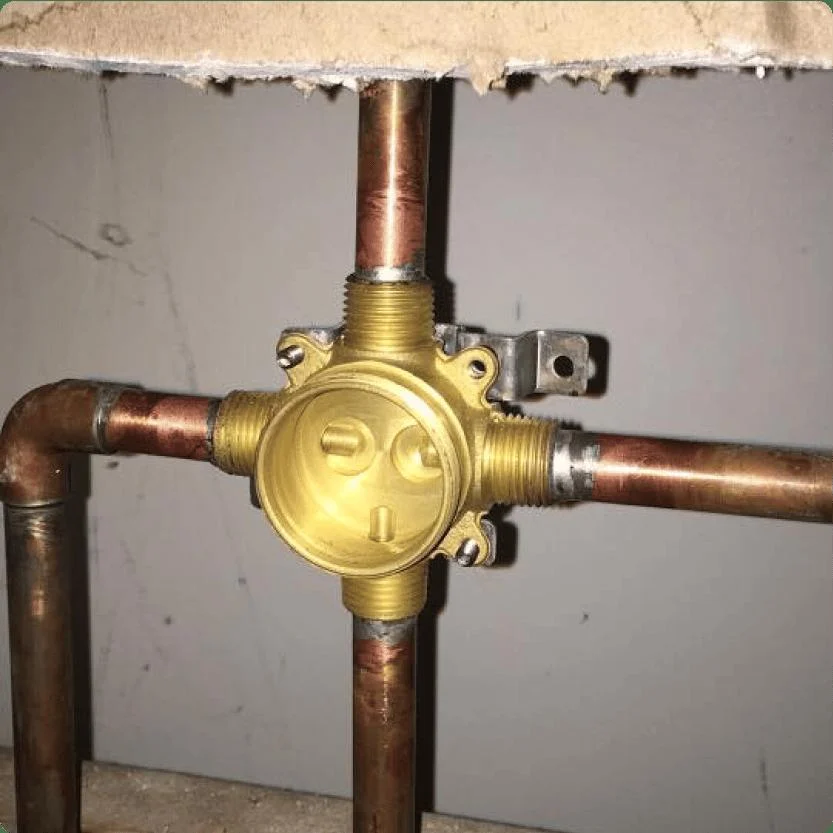
Where damage is suspected, arrange an assessment and document visible conditions safely. The repair should address both the damaged line and the exposure that allowed freezing. For homeowners in Pine Bush and surrounding Orange, Ulster, and Sullivan County communities, our pipe repair service can help with damaged water lines. If the house itself is losing heat, see our boiler repair service.
Frequently asked questions
Can pipes freeze even if the house is heated?
Yes. Plumbing inside an exterior wall or an isolated unheated space may be much colder than occupied rooms. The thermostat does not measure every pipe location.
Does insulation guarantee a pipe cannot freeze?
No. Insulation reduces heat loss, but a line exposed to prolonged cold without sufficient heat can still freeze. Consider the whole location, not just the pipe covering.
Should I leave every faucet running all winter?
No. Discuss targeted precautions for vulnerable plumbing during severe weather and follow local water guidance. Permanent exposure corrections are more appropriate than continuous unnecessary water use.
What if a frozen pipe starts leaking after it thaws?
Shut off the water if safely possible, avoid electrical hazards, and request repair. Continuing to use the line can increase damage even if the leak initially looks small.
Sources & further reading
General homeowner information. Follow the instructions for your specific equipment; a symptom alone is not a diagnosis.